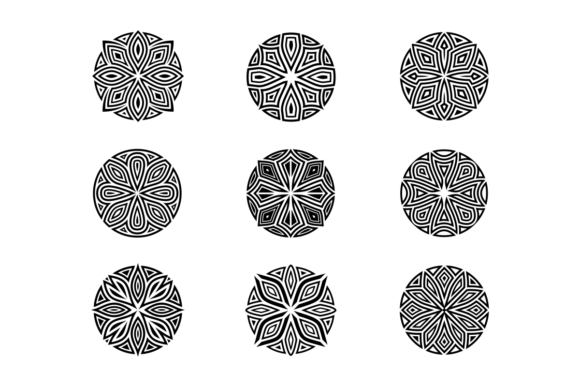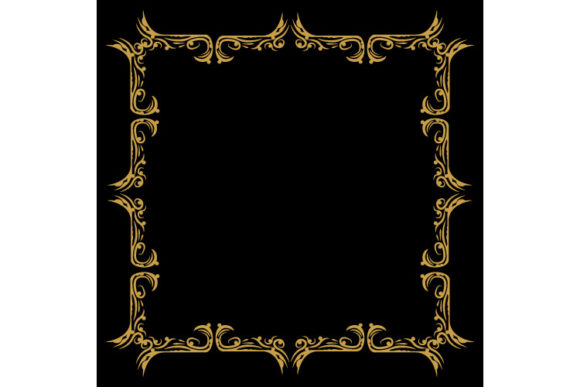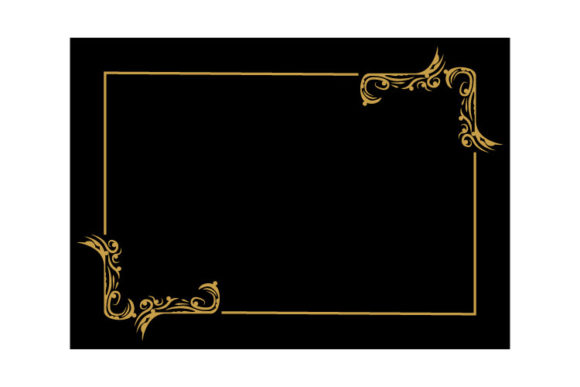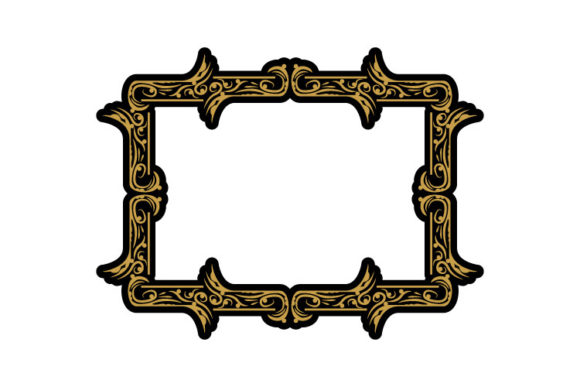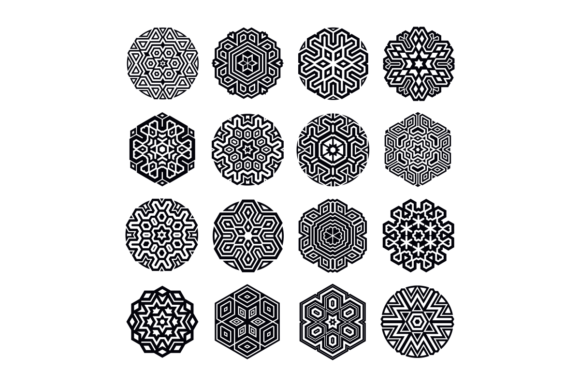
Artistic Decorative Shape Vector Set
First Impressions: Elegant, Editable, and Quietly Versatile
Opening the Artistic Decorative Shape Vector Set, I didn’t see a “design”—I saw potential space. These aren’t busy motifs or literal illustrations; they’re refined, balanced shapes—organic curves, subtle asymmetry, gentle geometry—that breathe on their own. Think soft scallops, minimalist florals, abstract petals, and flowing borders—not overly detailed, not minimal to the point of emptiness. The mood is calm but intentional: warm enough for baby onesies, polished enough for boutique aprons, distinctive enough for an Etsy sweatshirt line. As a designer who’s stitched hundreds of client projects, I immediately pictured this set anchoring a custom embroidered tote bag for a local coffee roaster—clean, tactile, and quietly memorable.
Where It Shines in Real Embroidery Projects
This vector set doesn’t scream for attention—it invites thoughtful placement. That’s why it works so well across diverse handmade products. On a linen tea towel? Perfect as a single centered motif near the hem—stitched with matte cotton thread for subtle texture. On a lightweight cotton baby onesie? Ideal as a small chest accent using satin stitch for smooth definition without bulk. As an embroidered patch? Its clean outlines translate beautifully into applique design, especially when layered over denim or twill with a tight running stitch border.
I recently tested one of the shapes as a sweatshirt embroidery centerpiece (a medium-sized curved leaf form) and was struck by how gracefully it scaled down without losing integrity. No pixelation, no jagged edges—just crisp vectors that converted cleanly into my embroidery software. For holiday embroidery, several shapes read like modern ornaments or gift tag accents. For nursery decor? A pair of mirrored forms stitched onto a muslin pillow cover created instant cohesion—no extra graphics needed. And for craft fair products or small shop merchandise, these shapes add brand consistency without locking you into a rigid logo. They’re design assets that support your voice instead of overriding it.
Where to Pause—and Stitch With Intention
Not every shape is equally forgiving on every fabric. On stretchy knits like t-shirts or baby bodysuits, tighter curves and narrow connecting stems need careful stabilizer choice—light cutaway or tear-away works best, not just basic iron-on. On dark fabric, avoid thin interior lines unless you’re confident in thread coverage; some shapes rely on fine negative space that can disappear if stitch density isn’t adjusted. And on textured fabrics—like waffle-weave kitchen towels or bouclé blankets—simplify further: skip the most delicate inner details and focus on bold outer contours.
Curved surfaces like caps demand special attention. One of the more intricate interlocking shapes looked stunning flat—but when placed on a curved cap front, its symmetry subtly distorted under tension. For those applications, I’d recommend choosing the bolder, more open forms from the set and keeping them within a 3.5” hoop size. Tiny lettering isn’t included (and wasn’t promised), so don’t expect built-in monograms—but that’s actually a strength: these shapes are meant to complement text, not compete with it.
What This Means for Your Finished Product
The Artistic Decorative Shape Vector Set elevates perceived value without demanding premium time or thread. Because the shapes are inherently balanced and scalable, they communicate professionalism—even on a $28 handmade product. Customers notice that quiet confidence: the way a single shape on a linen napkin feels considered, not slapped on. For Etsy sellers, that translates directly to better photo mockups, stronger buyer engagement, and repeat orders rooted in trust. For craft businesses building a signature look, these shapes become reliable visual anchors—consistent enough for branding, flexible enough to evolve.
It also supports authenticity. Unlike overused clipart-style graphics, these feel hand-selected and thoughtfully composed—ideal for personalized gifts where emotional resonance matters. A wedding guest towel with a paired shape near the corner? Feels bespoke. A holiday embroidery kit featuring three variations of one motif? Feels curated, not mass-produced.
Practical Designer Notes Before You Stitch
- Always test first—run a sample on scrap fabric matching your final project’s weight and stretch.
- Check thread color contrast before digitizing: what reads as elegant in SVG may vanish on navy fleece.
- Review stitch density—vector files don’t auto-optimize for embroidery; simplify fill areas and widen narrow paths manually.
- Confirm hoop size compatibility—some shapes scale beautifully, but others may require repositioning or cropping for standard hoops.
- Inspect small details at 200% zoom in your embroidery software—look for overlapping paths or micro-gaps that cause stitching errors.
- Test black-and-white mockups to assess silhouette strength—this set relies on form, not detail, so clarity must hold without color.
- Compare light vs. dark fabric backgrounds—some shapes gain presence on contrast; others soften intentionally.
- Use appropriate stabilizer—especially for lightweight or loosely woven fabrics where shape definition depends on backing support.
- Verify licensing before selling finished items or digital embroidery files—this set includes EPS, AI, SVG, and JPG preview only; commercial use rights depend on the original license terms.
A Design Asset That Grows With Your Craft Business
The Artistic Decorative Shape Vector Set isn’t flashy—but it’s dependable. It fits naturally into workflows for custom apparel, embroidered patches, baby embroidery, holiday embroidery, and commercial embroidery alike—not because it shouts, but because it listens. It gives you room to edit, adapt, and integrate without fighting your machine or your vision. Whether you’re prepping for a craft fair, building an Etsy shop identity, or designing a limited-run boutique collection, this set delivers quiet authority. It’s the kind of Graphics resource that earns its place in your folder—not because it’s trendy, but because it consistently makes your finished product look like it was made with care, clarity, and intention.