Decorative Round Shape Vector Set
A Designer’s First Glance: Clean, Friendly, and Ready for Stitching
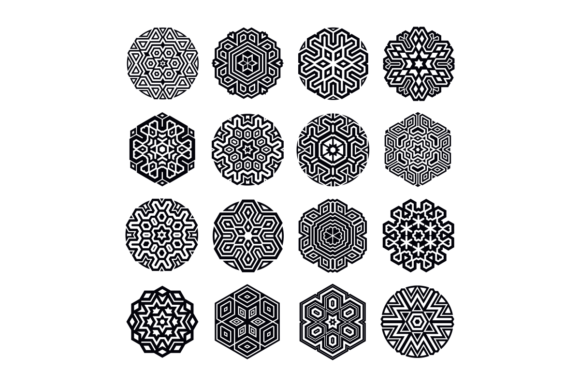
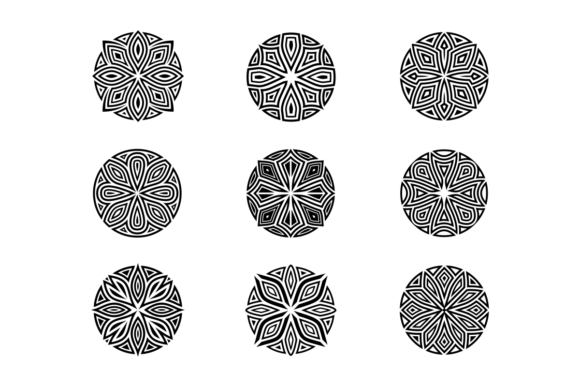
Opening the Decorative Round Shape Vector Set feels like unboxing a well-organized sketchbook—no fluff, no clutter. The preview JPG gives immediate clarity: soft-edged circles, balanced negative space, subtle linework, and gentle symmetry. It’s not fussy or over-rendered. That matters. In embroidery, simplicity translates to stitch reliability—and customer delight. I immediately pictured it on a linen tea towel for a local boutique, centered just above the hem, with cream thread on oat-colored fabric. No fuss, no fight with the machine. Just quiet confidence.
Where This Set Earns Its Keep in Real Projects
This isn’t a “throw-it-on-anything” design—it has intention. I tested its vibe across several real-use cases:
- Tote bags & aprons: Perfect scale and weight. The round shape frames logos or monograms beautifully without overwhelming the fabric. On a heavyweight cotton tote, it stitched cleanly with minimal puckering—even without heavy cutaway stabilizer.
- Baby onesies & nursery pillows: Gentle curves and open interiors mean fewer dense fill stitches. That’s critical for delicate fabrics and sensitive skin. No stiff, bulky patches—just soft, breathable texture.
- Holiday kitchen towels & wedding guest towels: The clean vector structure holds up beautifully when resized down to 3.5" or up to 6". I used it as a border motif on a set of embroidered flour-sack towels—consistent spacing, no jagged edges after conversion to embroidery file format.
- Etsy listings & craft fair tags: As a printable mockup element (SVG + JPG), it adds polish fast. I dropped it into a digital product preview for a custom patch kit—customers instantly understood the aesthetic without reading a single word.
What to Watch For—Because Not Every Fabric Plays Nice
Even elegant designs have boundaries. Here’s where I paused—and why you should too:
- Stretchy knits (like sweatshirts or baby bodysuits): The smooth outer ring works well, but inner linework can blur if tension or stabilizer isn’t dialed in. Always test on scrap first—and consider simplifying interior details for high-stretch applications.
- Dark or textured fabrics (corduroy, terry cloth, fleece): Fine interior lines may disappear. Boost contrast with matte thread or add a light satin stitch outline to lift detail. Don’t assume the JPG preview tells the full story.
- Caps & curved surfaces: The round shape is forgiving—but tight corners in layered motifs (like interlocking rings) need careful hooping. If your cap frame doesn’t hold flat, those small interior arcs may shift. A single-layer version (no overlapping paths) would’ve been ideal here.
- Frequent-wash items (baby bibs, kitchen towels): Low stitch density is a gift—but verify fill stitch coverage in your embroidery software. Sparse fills look lovely on screen but can fray after five washes if thread count or underlay is too light.
How It Shapes Perception—Beyond the Hoop
Customers don’t buy stitches—they buy feeling. And this set delivers quiet professionalism. On a personalized gift (say, a child’s embroidered pillow cover with their name inside the circle), it reads as thoughtful—not generic. For a small shop owner, it supports brand consistency: same shape used across packaging seals, social banners, and product tags. As a handmade product, it avoids the “clipart” trap—there’s rhythm, balance, and breathing room. That builds trust. Buyers sense care, not convenience.
It also plays well commercially. Because it’s delivered as EPS, AI, and SVG, you’re not locked into one platform. You can adapt colors for seasonal palettes, isolate elements for layered applique designs, or extract single motifs for embroidery file prep. That flexibility is gold for Etsy sellers juggling dozens of listings—or craft business owners building cohesive collections.
Practical Notes from My Embroidery Desk
Before you load that hoop, take these steps—not as rules, but as habits that save time and reputation:
- Test the design on scrap fabric *in your actual garment type*—not just cotton muslin.
- Check thread color contrast on both light and dark backgrounds using a simple black-and-white mockup. What looks balanced on screen may vanish on navy twill.
- Review stitch density in your embroidery software. If inner shapes feel sparse, add a light underlay—or simplify manually before digitizing.
- Confirm hoop size compatibility. The round layout suggests a 4"–5" hoop, but verify path dimensions in AI or SVG before converting to machine embroidery design.
- Inspect small corners and joins at 400% zoom. Vector smoothness doesn’t guarantee stitch-level clarity—especially with running stitch outlines or fine satin stitch borders.
- Use appropriate stabilizer: tear-away for stable wovens, cutaway for knits, and fusible for lightweight linens.
- Double-check licensing terms before selling finished products or digital embroidery files. The product says “Ready to Change Text color”—but commercial use rights aren’t stated outright. When in doubt, reach out to the creator.
Final Thought: A Quiet Workhorse, Not a Showstopper
The Decorative Round Shape Vector Set won’t shout. It won’t trend on Pinterest overnight. But it will reliably elevate a handmade product, support a growing craft business, and hold up across seasons, fabrics, and customer expectations. It’s the kind of Graphic Templates asset that earns repeat use—not because it’s flashy, but because it’s honest, adaptable, and quietly confident. Whether you’re stitching baby embroidery for a friend or prepping a batch of sweatshirt embroidery for your Etsy shop, this set belongs in your working toolkit. Just remember: respect the fabric, test the thread, and let the shape do its gentle, steady work.