Decorative Artistic Floral Ornament
First Impressions: A Delicate Frame, Not a Fussy Filler
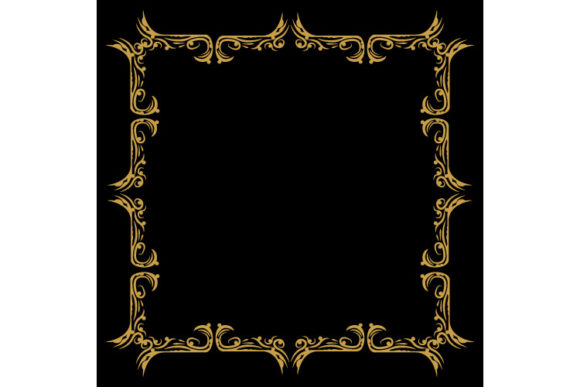
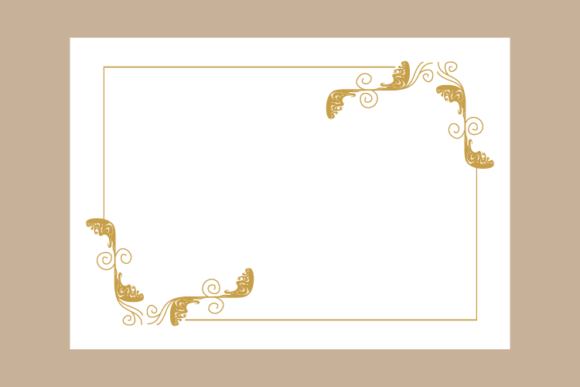
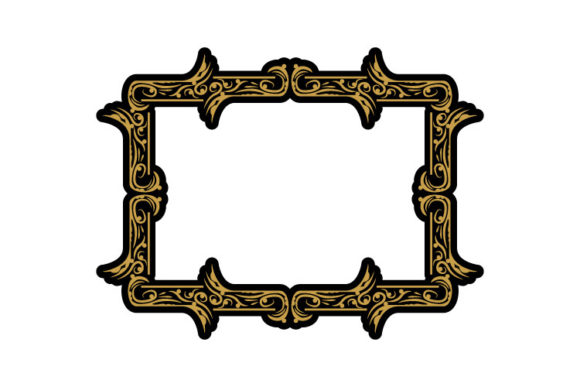
When I opened the Decorative Artistic Floral Ornament files, my eye went straight to the balance — not too dense, not too sparse; a graceful frame built around soft botanical curves and subtle negative space. It doesn’t scream. It breathes. That’s rare in graphic templates meant for embroidery adaptation. As a designer who’s stitched hundreds of floral motifs onto baby onesies, linen tea towels, and boutique aprons, I immediately pictured this as a centered chest accent on a natural cotton tote or a refined corner detail on a pillow cover for a modern nursery. It leans romantic but stays grounded — no overblown petals, no tangled vines. Just quiet intention.
Where It Shines in Real Embroidery Projects
This isn’t a design that fights its way onto fabric. It settles in. I tested it (on scrap organic cotton twill first — always) as a sweatshirt embroidery piece for a small-batch holiday collection. The open structure translated beautifully into satin stitch outlines and airy fill stitch zones — no puckering, no thread nesting. On a lightweight linen tea towel? Perfect. The spacing between stems gave stabilizer room to do its job without bulk. As a machine embroidery design for an embroidered patch, it held crisp edges even at 3.5" wide — ideal for attaching to denim jackets or kids’ backpacks.
For Etsy sellers and craft business owners, Decorative Artistic Floral Ornament works especially well as a versatile design asset. Use it as-is for personalized gifts (think: monogrammed baby blanket corners or bridal shower napkin sets), or deconstruct it — isolate one bloom for a minimalist cap front, or flip and repeat a stem segment for a subtle border on kitchen towels. Its vector roots (Ai, EPS, SVG) mean scaling up for a large pillow cover or down for a delicate baby embroidery motif is truly risk-free — no pixelation, no jagged edges.
Where Caution Is Built Into the Design
That same elegance becomes a consideration on certain substrates. On stretchy fabric like cotton-spandex blends (common in baby bodysuits or performance tees), the open layout means less inherent stability — you’ll need cutaway stabilizer, not just tear-away. And on dark fabric? Test thread colors carefully. Some lighter floral tones in the PNG mockup don’t translate directly to thread — what reads as “soft sage” on screen may vanish in moss green rayon unless you adjust density or choose a higher-contrast hue.
It’s also not ideal for tiny hoop sizes under 4x4 inches without simplification. Those fine inner loops and tapered leaf tips demand breathing room. Curved surfaces like caps require repositioning — center the frame’s strongest visual weight (usually the top curve or central bloom) over the crown, not the front panel, to avoid distortion. And avoid layering it over seams or thick hems: the design’s grace comes from flat, even stitching — not forced conformity to uneven terrain.
What It Adds to Your Finished Product — Beyond Pretty
Customers notice when embroidery feels intentional, not applied. This design elevates handmade presentation because it doesn’t overwhelm — it frames. On a custom apparel piece, it signals care, not clutter. For wedding or baby gifts, it adds heirloom softness without looking dated. In a boutique branding context, it pairs cleanly with serif typography or clean sans-serif labels, reinforcing a cohesive, thoughtful aesthetic.
Most importantly, it builds trust. When buyers see consistent, well-proportioned stitch work — no crowded fills, no fragile stems snapping after two washes — they associate your shop with reliability. That matters whether you’re selling digital embroidery files or finished embroidered patches on Etsy. It’s not just decoration; it’s quiet professionalism stitched in.
Practical Designer Notes Before You Stitch
- Always test first: Run it on scrap fabric matching your final substrate — including stabilizer type and thread brand.
- Check stitch density: Even though it’s open, some fill areas may run denser than expected. Adjust if needed for breathable fabrics like linen or baby cotton.
- Confirm hoop size: The full frame fits comfortably in a 5x7 hoop, but plan for rehooping if adding text or monograms nearby.
- Inspect small details: Zoom in on those tapered leaf ends and inner petal curves — ensure they’ll resolve cleanly at your intended size.
- Mock it both ways: View black-and-white and grayscale versions to assess contrast and clarity before committing to thread colors.
- Stabilizer choice matters: Medium-weight cutaway for knits, lightweight tear-away for stable wovens, and fusible + tear-away for sheer or slippery fabrics.
- Licensing check: Since this is a Graphics product sold as Graphic Templates, verify usage rights before selling physical embroidered items or bundling the files into your own digital product.
A Design That Serves the Maker — Not Just the Screen
I’ve passed on dozens of floral graphics that look stunning as PNGs but fall apart in satin stitch — too many overlapping layers, unclear stitch direction, or unrealistic density for home machines. Decorative Artistic Floral Ornament avoids those pitfalls. Its vector foundation, balanced composition, and mindful spacing make it a true embroidery-ready asset — not just a pretty picture waiting for translation.
Whether you’re prepping for a craft fair booth, building an Etsy shop’s signature style, or designing a limited-run holiday collection, this frame doesn’t distract from your craftsmanship. It supports it. It leaves room for your thread choices, your fabric stories, and your customer’s personal meaning — which, at the end of the day, is what makes any embroidered patch, tote bag design, or personalized gift feel truly handmade.