Islamic Decorative Luxury Backgrounds & Graphics
As a graphic designer who’s built brand identities for halal skincare lines, Ramadan gift boxes, boutique calligraphy studios, and Eid-themed print-on-demand collections, I opened Islamic Decorative Luxury Background with a very specific question: *Does this feel like a tool—or a shortcut?*
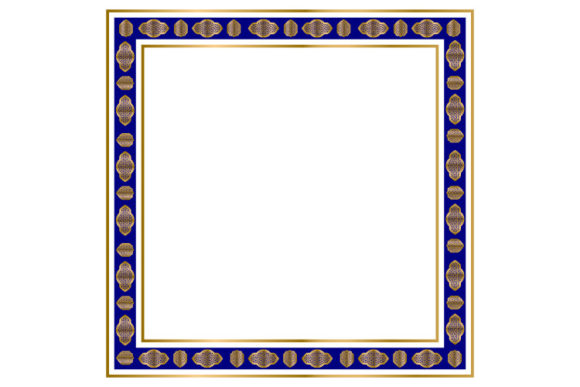
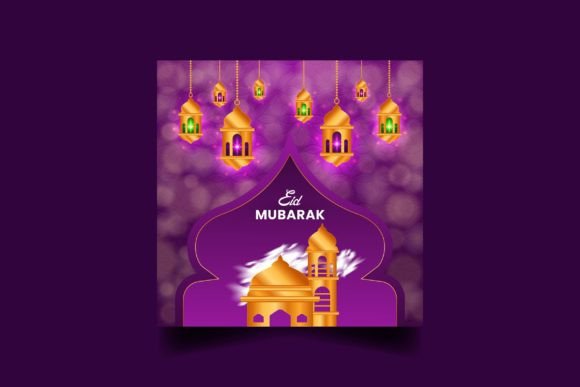
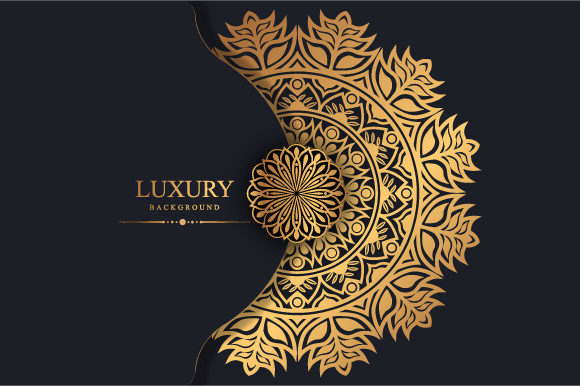
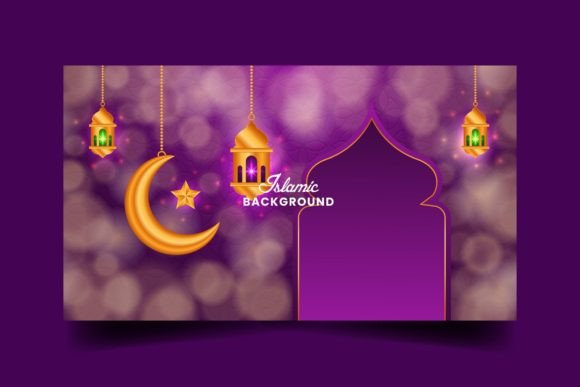
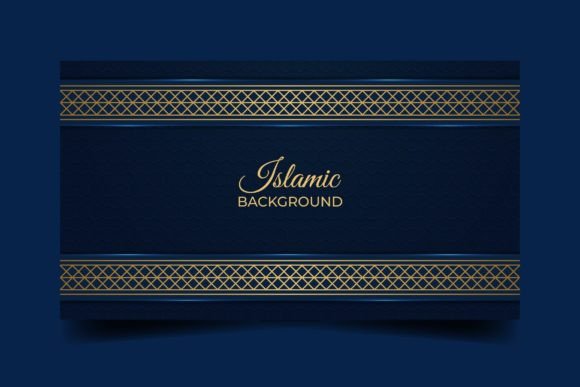
First impression? It lands with quiet authority. Not loud, not flashy—just richly layered geometry, subtle symmetry, and rhythmic repetition that echoes centuries of Islamic art tradition. The motifs are elegant but never fussy: interlacing arabesques, restrained geometric borders, and soft floral flourishes that breathe rather than overwhelm. This isn’t “Islamic-inspired” as trend bait—it reads as culturally grounded, visually respectful, and intentionally luxurious.
A Real Client Moment: Launching a Handmade Baklava Brand
Last month, I was developing visual assets for a small-batch baklava business launching in Dubai and London. Their story centered on heritage craftsmanship, gold-leaf finishing, and family recipes passed down over generations. They needed packaging design, Instagram carousels, printable gift tags, and hero banners for their Shopify site—all unified by warmth, authenticity, and tactile elegance.
That’s where Islamic Decorative Luxury Background earned its place—not as the hero, but as the quiet foundation. I dropped it behind hand-drawn typography, overlaid it with soft shadow layers, and used it as a textured backdrop for product mockups. Because it’s vector-based (EPS + AI), I scaled it seamlessly from 4×6” sticker sheets to 36×48” wall posters without pixelation. And because it’s RGB-editable, I shifted the palette from deep sapphire and rose gold to warm amber and cream—matching their seasonal packaging launch without rebuilding from scratch.
Where It Shines in Commercial Design
This background excels where mood and meaning intersect:
- Product mockups—especially for luxury food, cosmetics, or artisanal goods needing elevated texture without competing with product photography.
- Packaging design—as a liner pattern, label border, or foil-stamped accent layer (test print at 300 DPI first—it holds fine detail beautifully).
- Social media graphics—ideal for Instagram Reels covers, Pinterest pins, or Canva templates where cultural resonance boosts engagement.
- Printable designs—wall art, greeting cards, or wedding invitations for clients seeking refined, non-religious-but-culturally-rooted aesthetics.
- Cricut projects & sublimation design—clean vector paths mean crisp cuts and smooth heat transfers on mugs, tote bags, and fabric.
Where to Proceed Thoughtfully
This isn’t a universal backdrop. Its strength is also its limit: it carries strong visual language. Use carefully when:
- Designing for minimalist or Scandinavian-leaning brands—its richness can clash with clean sans-serif systems or monochrome palettes.
- Layering over complex imagery—avoid placing it directly atop busy photos; instead, use it as a matte, overlay, or isolated decorative frame.
- Creating small-format assets like app icons or favicon—details blur below 200px width. Always preview at actual size.
- Building corporate identity systems for finance, tech, or legal sectors—its warmth may undercut perceived formality unless intentionally softened or abstracted.
Designer Notes You’ll Actually Use
I tested Islamic Decorative Luxury Background across six real workflows—and here’s what mattered:
- Contrast check: Previewed on both light and dark backgrounds. Works best with mid-to-dark tones—lightens too much on pure white unless layered with opacity or color overlay.
- Font pairing: Held up beautifully with serif (Playfair Display), modern script (Brittany Signature), and bold display fonts (Cinzel). Got muddy with ultra-thin sans-serifs (e.g., Inter Light) unless given breathing room.
- Readability test: Never place body copy directly over dense motif zones. Reserve open negative space areas (often near center or corners) for text blocks—or apply a subtle gradient mask.
- Commercial license verification: Confirmed included files permit resale in end products (e.g., Etsy printables, POD mugs, Canva templates)—critical for digital sellers and creative marketplace contributors.
- Black-and-white test: Printed grayscale—retained structural clarity and hierarchy. A good sign for embossing, foil stamping, or monochrome branding extensions.
Why It Fits Real Creative Workflows
This isn’t clipart. It’s a graphic design asset built for iteration—not decoration. Its organization (layers named, groups intact, swatches labeled) means you’re not reverse-engineering someone else’s chaos. You can isolate a single border element for a sticker design, extract a medallion motif for a logo lockup, or recolor an entire composition in under two minutes.
For handmade businesses building cohesive visual stories—think candle labels with matching Instagram Stories, or a Ramadan collection with coordinated email headers, printable planners, and tote bag prints—Islamic Decorative Luxury Background delivers consistency without repetition. It supports brand identity, not replaces it.
And for designers juggling tight deadlines? Knowing you have one high-fidelity, editable, commercially licensed vector file that works across print, web, and physical product formats saves hours—not just in execution, but in client confidence. When a client sees how thoughtfully a background elevates their product mockup or social campaign, they don’t see a stock download. They see craft.
The Bottom Line for Your Next Project
If your client project leans into heritage, craftsmanship, warmth, or intentional elegance—and if you need a background that feels meaningful, not merely ornamental—Islamic Decorative Luxury Background earns its place in your working toolkit. It performs like a custom commission, not a generic fill. Just remember: let it support, not dominate. Pair it with purpose. Test early. License wisely. And always ask: *Does this make the brand feel more human—not less?*