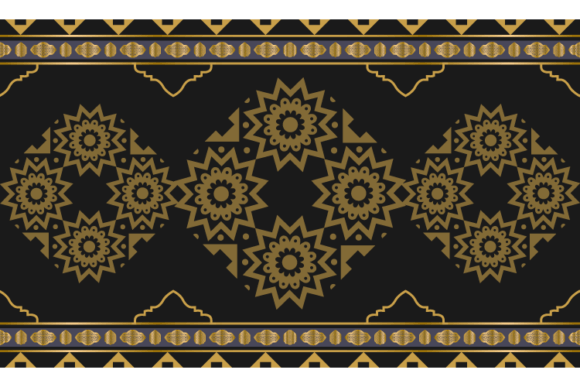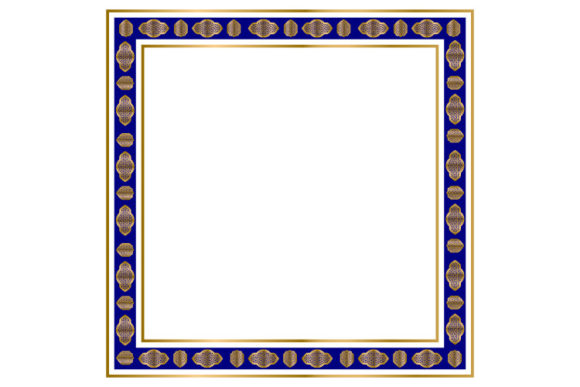
Islamic Decorative Frame Art Design: Graphics & Backgrounds
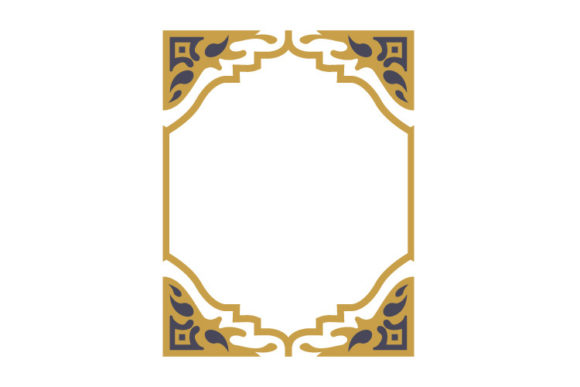
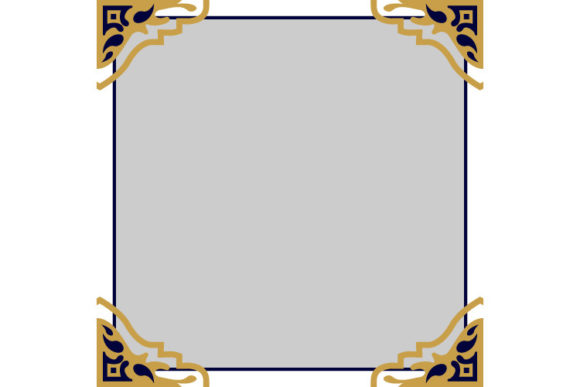
As a brand designer who’s helped over 80 local businesses—from halal bakeries in Detroit to handmade oud soap studios in Austin—I recently evaluated the Islamic Decorative Frame Art Design for a real-world project: rebranding a family-run Middle Eastern pastry shop launching its first line of gift boxes and seasonal Eid packaging. What stood out immediately wasn’t just its intricate geometry or rhythmic symmetry—it was how instantly it communicated warmth, reverence, and craft. This isn’t generic clipart. It’s a considered graphic design asset that leans into elegance without sacrificing approachability—ideal for brands rooted in tradition but speaking to contemporary local customers.
A Mood That Builds Trust Before the First Bite
The design evokes quiet confidence: balanced, harmonious, and deeply intentional. It reads as premium yet personal—never cold, never overly ornate. For a small business branding effort, that duality is gold. A candle brand using it on soy wax jar labels gains instant sophistication; a children’s henna kit startup finds playful rhythm in its repeating motifs; a boutique florist weaving it into wedding invitation suites adds cultural resonance without cliché. It feels handmade, organic, and respectful—not decorative for decoration’s sake, but as visual language with lineage. That emotional weight translates directly into customer trust, especially among communities seeking authenticity in local business offerings.
Where This Graphic Design Asset Earns Its Keep
In practice, the Islamic Decorative Frame Art Design shines where intention meets execution:
- Product labels and packaging accents — Framing ingredient lists or flavor names with subtle vector borders (using the SVG or EPS) adds hierarchy and polish without overwhelming the product.
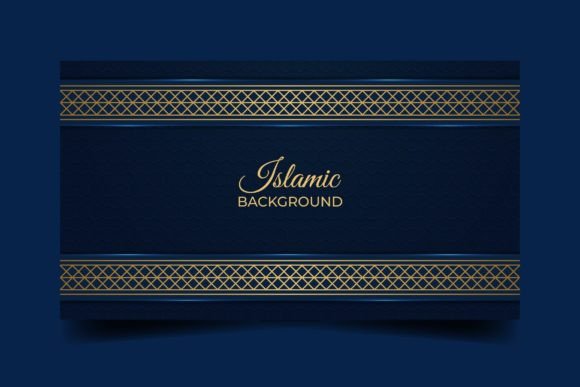
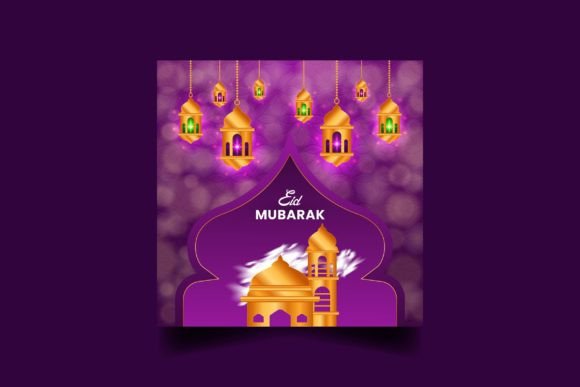
- Hero graphics and social media banners — The high-res JPG and PNG files scale beautifully across Instagram carousels and Facebook cover images, anchoring campaigns like “Ramadan Nights” or “Summer Saffron Collection.”
- Printable inserts and thank-you cards — When printed on textured cotton paper, the AI file renders fine linework crisply—ideal for handwritten-style notes tucked into gift boxes.
- Menu design and price lists — Used sparingly as section dividers or corner flourishes, it guides the eye while reinforcing brand identity without competing with food photography.
- Seasonal campaign visuals — Its modular structure makes it adaptable: crop a single medallion for a sticker, repeat the pattern for wrapping paper, or isolate a floral arabesque for a limited-edition tea tin.
Real Packaging, Real Decisions
We tested the design on actual packaging mockups for the pastry shop’s baklava tins. With the SVG loaded into Adobe Illustrator, we adjusted stroke weight and spacing to ensure legibility at 1.5-inch height—critical for hang tags. The PNG transparency worked flawlessly over matte gold foil backgrounds, and the black-and-white version held up in monochrome print runs for eco-friendly kraft boxes. That flexibility is rare in stock Backgrounds. Most creative marketplace downloads falter when scaled down or converted to grayscale—but this one retained clarity and character.
Where Caution Keeps Brand Clarity Sharp
This isn’t a one-size-fits-all solution. Avoid placing it directly behind dense ingredient lists or legal disclaimers—low-contrast usage muddies readability. It’s also too rich for luxury minimalist brands aiming for stark negative space. And while beautiful on large-format posters, don’t force it onto 0.75-inch sticker die-cuts: fine details vanish. If your product label already features bold typography, hand-drawn icons, or photographic hero shots, layering this frame risks visual clutter rather than cohesion. Let it serve—not compete.
Designer Notes You’ll Actually Use
Before locking in the Islamic Decorative Frame Art Design for client work or your own small business branding, do these six things:
- Test it beside your brand fonts—especially script or serif typefaces—to confirm harmony, not tension.
- Preview the PNG on both light and dark product mockups; check transparency edges for fringing.
- Open the SVG in Illustrator and ungroup elements—verify whether individual motifs are editable (they are), so you can recolor or isolate parts for different applications.
- Print a 2" × 2" sample on your intended label stock—see how ink spread affects delicate lines.
- Compare it against top three local competitors’ packaging: does it elevate your shelf appeal or blend in?
- Confirm commercial license terms—this is essential for physical product sales, digital marketing visuals, and client-facing branding projects.
More Than Decoration—A Strategic Brand Element
When used thoughtfully, the Islamic Decorative Frame Art Design does more than fill space. It strengthens first impressions at farmers’ markets and pop-up shops. It lifts printable design from functional to memorable. It supports consistent brand identity across web design, social media graphics, and in-store signage. For a handmade business or local food brand, that consistency builds recognition faster—and recognition builds loyalty. In an era where customers choose values alongside variety, this graphic design asset quietly signals care, culture, and craftsmanship. Not as ornament, but as intention made visible.
Final Thought for Creative Entrepreneurs
If you’re sourcing design assets for real local business use—whether for a candle brand’s holiday launch, a skincare line’s ingredient-focused labels, or a children’s product brand’s inclusive storytelling—prioritize versatility, technical reliability, and emotional resonance. The Islamic Decorative Frame Art Design delivers all three. It’s not just Backgrounds or Graphics—it’s infrastructure for authentic, professional branding that honors heritage while serving today’s market with clarity and grace.