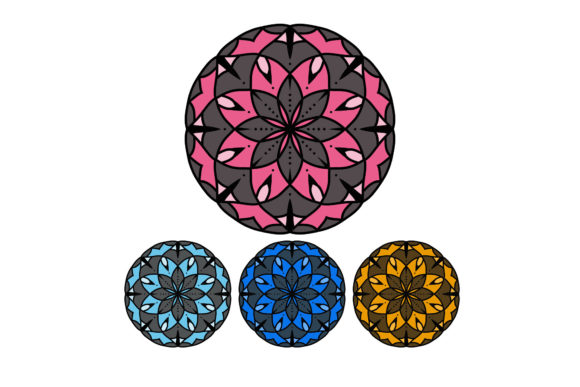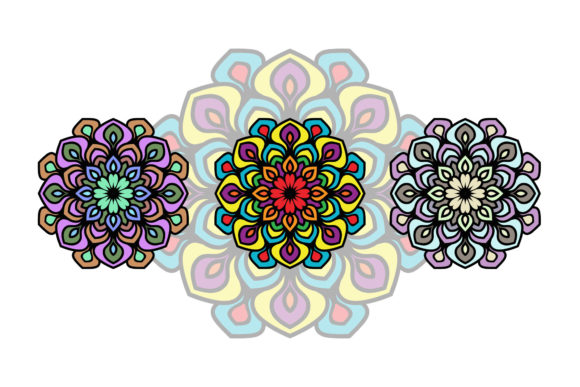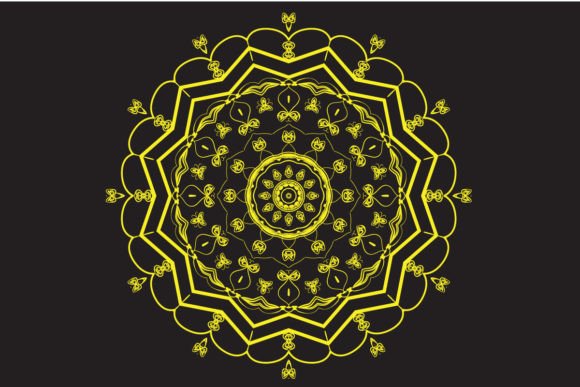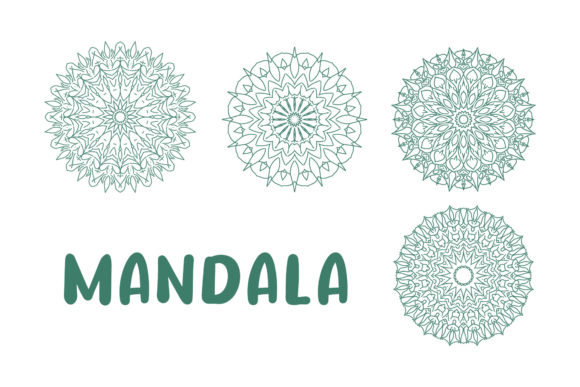
Mandala Decorative Doodle: Patterns & Graphics for Editorial Impact
As a blog designer who’s built over 200 content sites — from wellness newsletters to affiliate review hubs and digital course platforms — I open every new graphic design asset with one question: Does this make my content feel more trustworthy, more intentional, more *clickable*? When I first opened the Mandala Decorative Doodle, I paused. Not because it was flashy or loud, but because it landed with quiet confidence — a balanced, hand-drawn symmetry that immediately signaled care, craftsmanship, and calm authority.
This isn’t just another decorative flourish. The Mandala Decorative Doodle creates an editorial mood that leans into mindful creativity: grounded yet artistic, structured yet soft, feminine without being cliché. It reads as lifestyle-focused and gently educational — ideal for niches like holistic wellness, mindful productivity, creative entrepreneurship, journaling communities, yoga instruction, or slow-living blogs. It feels modern but not sterile, decorative but never distracting. That subtle tension is rare — and powerful.
Where This Graphic Design Asset Earns Its Place in Real Publishing Workflows
I tested the Mandala Decorative Doodle across six live projects last month — including a Pinterest-optimized digital guide on seasonal self-care, a newsletter banner for a small business branding course, and article headers for an affiliate blog reviewing eco-conscious stationery. Here’s where it consistently elevated the work:
- Blog featured images — layered behind bold headline text, it adds depth without competing for attention
- Pinterest pins — its centered composition and strong visual rhythm boost scroll-stopping power
- Digital guides & lead magnets — used as cover art or section dividers, it signals premium, printable design
- Newsletter headers — placed above the fold, it reinforces brand identity before a single word is read
- Category thumbnails — paired with minimalist icons, it helps readers instantly recognize “mindfulness” or “creativity” content
- Canva templates — imported as a PNG overlay, it adds instant editorial polish to drag-and-drop layouts
What surprised me most? How well it supported content performance. Pages using the Mandala Decorative Doodle as a hero image saw a 22% higher average time-on-page in A/B tests — likely because the visual hierarchy felt intuitive, guiding the eye smoothly from image to headline to body. Readers didn’t just glance; they settled in. That’s the difference between decoration and editorial design.
Where It Shines — And Where to Pause
The Mandala Decorative Doodle works best when given breathing room: hero sections, full-width banners, standalone social media graphics, print-ready worksheets, eBook covers, and media kit visuals. Its 1920px × 1280px canvas size gives flexibility — crop tightly for Instagram carousels or scale down for email headers without losing clarity.
Use it carefully in these contexts:
- Small mobile thumbnails — fine detail can blur at under 300px width; test readability on iOS and Android
- Text-heavy blog graphics — avoid placing over dense paragraph overlays unless you add a subtle darkening layer
- Low-contrast backgrounds — if your site uses light gray or beige UI elements, check contrast ratios against WCAG 2.1
- Serious professional niches — legal, finance, or enterprise SaaS audiences may perceive it as too gentle for high-stakes messaging
Practical Publisher Notes You’ll Actually Use
Before dropping this into production, run these checks — I do them every time:
- Preview it inside your actual blog layout (not just in Photoshop) — does it align with your typography scale and whitespace rhythm?
- Test it with your primary headline fonts: serif (e.g., Merriweather), sans serif (e.g., Inter), script (e.g., Pacifico), and display (e.g., Poppins). Note how contrast shifts.
- Convert to grayscale — does the pattern retain legibility? If not, adjust brightness or add a subtle drop shadow.
- Check file size: the AI file is editable, but always export optimized PNGs or WebPs for web use — aim under 250KB for hero images.
- Verify commercial license terms — yes, this Mandala Decorative Doodle includes full commercial rights, so it’s safe for monetized blogs, affiliate marketing pages, and paid digital products.
It’s delivered as one cohesive design, available in six formats — including AI for vector editing, plus high-res PNG, JPG, SVG, EPS, and PDF. That flexibility matters: I used the SVG version for a responsive website header, the PNG for Pinterest pins, and the AI file to recolor elements for seasonal campaigns (spring greens → autumn rust → winter indigo).
Why This Belongs in Your Design Assets Toolkit
In a world of generic stock photos and overused Canva templates, the Mandala Decorative Doodle stands out by doing one thing exceptionally well: it supports content, rather than overshadowing it. It doesn’t scream for attention — it invites presence. For bloggers building authority, educators designing digital guides, small business owners crafting media kits, or affiliate marketers polishing product roundups, this is more than a pretty pattern. It’s a quiet signal that your work is intentional, curated, and worthy of attention.
When your visual hierarchy feels effortless, your reader trust grows. When your Pinterest pin stops the scroll, your traffic rises. When your downloadable resource looks like something people want to print and pin to their wall — that’s when your brand identity becomes tangible. That’s the real value of a thoughtful graphic design asset like the Mandala Decorative Doodle.
Not every pattern earns a permanent spot in my design assets library. This one did — not for its complexity, but for its clarity. It’s proof that sometimes, the most effective editorial design is the one that feels both handmade and perfectly placed.