Decorative Round Colorful Mandala
A Designer’s First Look: Joyful, Dense, and Deliberately Ornamental
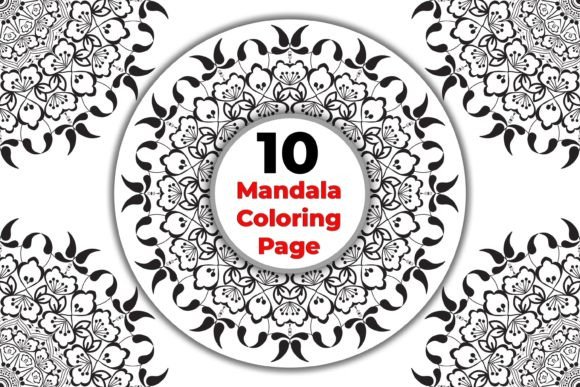
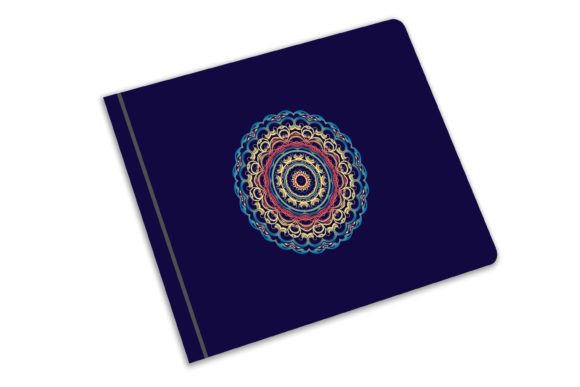
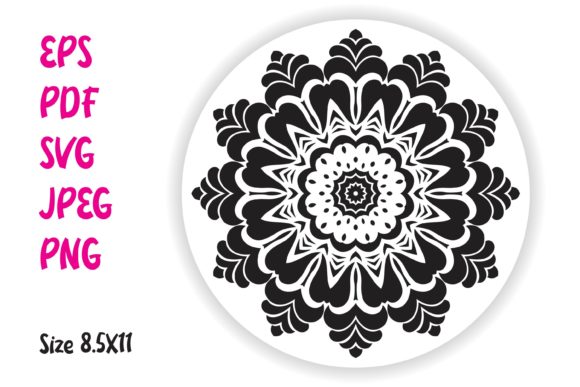
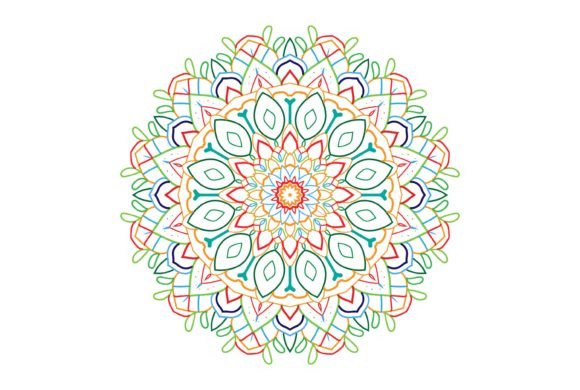
When Decorative Round Colorful Mandala landed in my inbox, I paused—then zoomed in. This isn’t a minimalist mandala for subtle wristbands or quiet nursery wall art. It’s bold, layered, and intentionally busy: an “unusual flower shape” that leans into ethnic symmetry without sacrificing visual rhythm. The vector origin shows clearly—clean curves, intentional negative space between petals and rings, and a sense of controlled energy. As a designer who regularly translates digital graphics into machine embroidery designs, my first instinct wasn’t “pretty”—it was “how will this hold up under thread?”
Real-World Test: Embroidering It on a Linen-Cotton Kitchen Towel
Last week, I used Decorative Round Colorful Mandala as the centerpiece for a small-batch run of embroidered kitchen towels—meant for a local boutique’s holiday collection. I chose a medium-weight linen-cotton blend, medium tear-away stabilizer, and 40-weight rayon thread in six coordinated jewel tones. The result? A vibrant, tactile focal point—but only because I adjusted expectations upfront. This design thrives when given breathing room: centered on flat, stable fabric, with enough margin to prevent edge distortion. On curved surfaces like caps or baby beanies? I’d skip it. Too much density, too many directional turns. But on a tote bag, pillow cover, or tea towel? It sings.
Where It Shines (and Where It Stumbles)
- Custom apparel: Works beautifully on sweatshirts and structured cotton aprons—especially when placed on the chest or upper back. Avoid t-shirts unless using lightweight fill stitch and reducing density by 15–20%.
- Baby embroidery: Charming on crib blankets or onesie pockets—if simplified first. The original has fine inner linework that risks disappearing at 3–4 inches wide. Consider removing two interior rings for infant-scale projects.
- Embroidered patch: Excellent candidate for an iron-on or sew-on patch—just confirm the SVG or DXF file includes clean, closed paths. Vector integrity matters more here than in standard embroidery files.
- Holiday & wedding gifts: Feels celebratory and handmade without leaning into cliché. Paired with neutral fabric and thoughtful packaging, it reads as intentional—not generic.
- Small shop product: Stands out in Etsy listings next to simpler florals or geometric repeats. Customers browsing “ethnic mandala” or “coloring page embroidery” will recognize its lineage—and appreciate the craftsmanship it implies.
Fabric & Function: What You Must Check Before Stitching
Decorative Round Colorful Mandala is dense by nature. That means it demands attention to fabric texture and stability. On thin or stretchy knits? It’ll pucker without heavy cut-away stabilizer and reduced stitch density. On dark fabric? Test thread contrast early—some brights (turquoise, magenta) pop; others (golden yellow, peach) fade visually unless backed with white underlay. And on textured weaves like burlap or thick terry cloth? Skip the inner filigree entirely—focus on outer petals and main rings only.
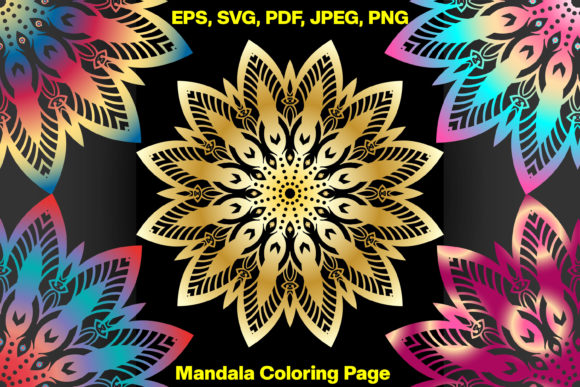
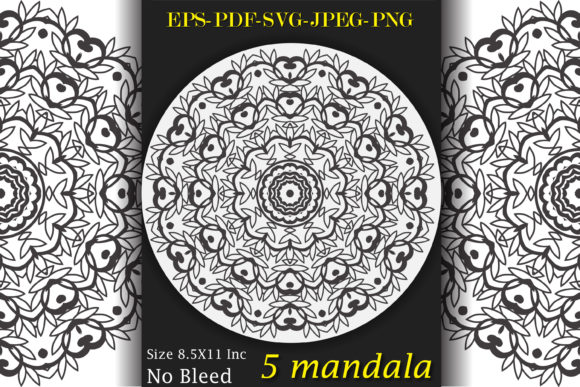
Also worth noting: this originated as a Coloring Pages Amp graphic, not a native embroidery file. So while EPS, SVG, and DXF formats are included, they’re not pre-digitized. You’ll need to digitize it—or hire someone to do it—with real-world stitch logic in mind: satin stitch for petals, alternating fill directions for rings, running stitch outlines where needed for clarity.
Design Assets That Earn Their Place in Your Workflow
I keep Decorative Round Colorful Mandala in my “high-intent” folder—not because it’s easy, but because it attracts buyers who value detail, cultural resonance, and visual warmth. When used thoughtfully, it lifts perceived value: customers pay more for a personalized gift that feels curated, not mass-produced. It also strengthens brand consistency for makers whose aesthetic centers on mindful craft, global motifs, or joyful color palettes.
But let’s be real—it’s not a plug-and-play workhorse. It won’t fly on a 3-inch hoop without simplification. It won’t translate cleanly to a 1.5-inch cap front. And if your craft business relies on fast-turnaround custom apparel, you’ll want to build a simplified version first.
Practical Embroidery Designer Notes
- Test the design on scrap fabric *before* committing to a client order—especially with your chosen stabilizer and thread combo.
- Review stitch density in your digitizing software. If it exceeds 18,000 stitches for a 4-inch version, consider lightening fill areas.
- Inspect small details at 200% zoom: tiny loops, intersecting lines, and petal tips often need manual cleanup before stitching.
- Check how it reads in black and white mockups—some color-based contrast vanishes without hue, revealing weak value separation.
- Compare performance on light vs. dark fabric backgrounds. Adjust underlay and thread choice accordingly.
- Confirm licensing terms before selling finished products or reselling the digital embroidery file—this is a Graphics asset, not automatically commercial-use embroidery-ready.
Final Thought: A Design That Rewards Intentionality
Decorative Round Colorful Mandala doesn’t beg for attention—it earns it. It’s the kind of design that makes a customer pause mid-scroll, then click “add to cart” because it feels personal, rooted, and full of quiet confidence. For Etsy sellers building a cohesive line, craft fair vendors seeking standout merchandise, or apparel decorators tired of overused motifs—it’s a refreshingly grounded option. Just remember: its strength lies not in versatility, but in specificity. Use it where it belongs—centered, respected, and stitched with care.