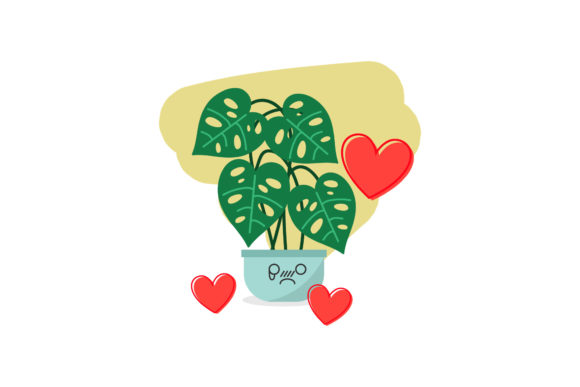
Decorative Plant Kawaii Expression
A Soft-Spoken Charm That Stitches Well
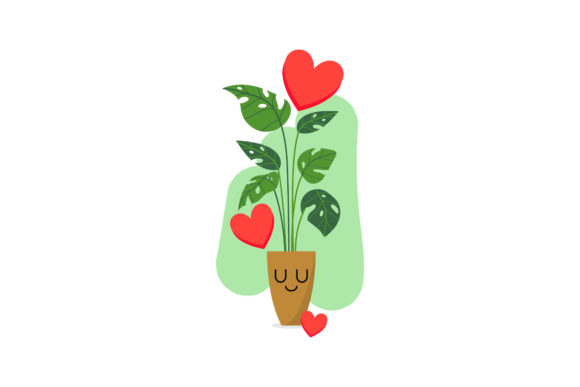
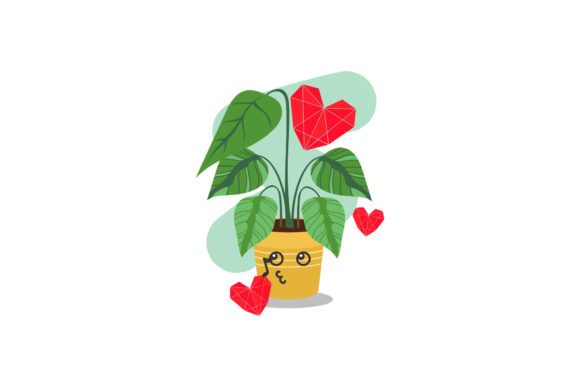
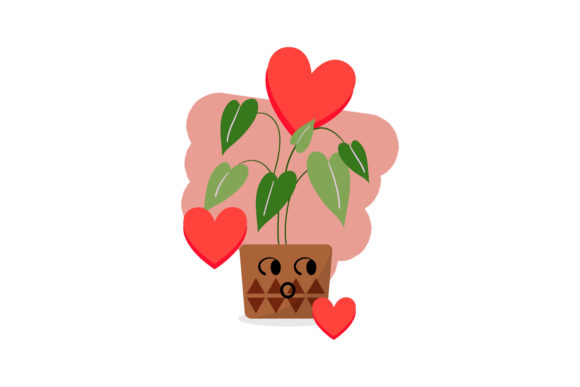
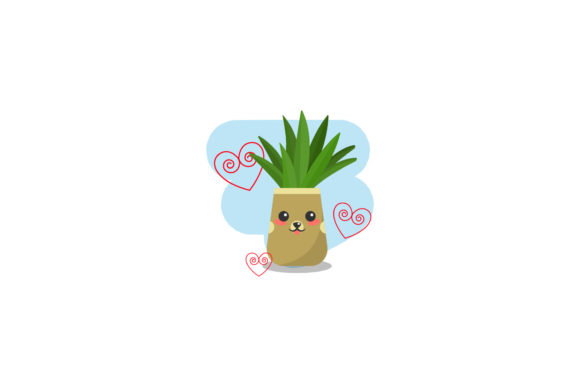
First impression? Decorative Plant Kawaii Expression lands like a quiet smile—gentle, slightly whimsical, and unmistakably warm. It’s not loud or busy; it’s a compact botanical icon with rounded leaves, a friendly stem, and subtle expressive details that read as *alive*, not decorative filler. As an embroidery designer who’s stitched hundreds of icons for small business clients—from nursery shops to indie apparel brands—I immediately sensed its potential: this isn’t just a graphic. It’s a personality you can thread.
Where It Naturally Belongs (and Why)
I recently tested Decorative Plant Kawaii Expression on a custom embroidered linen tote bag for a local plant shop’s pop-up event. The design sat cleanly at the lower left corner—small enough to feel intentional, large enough to hold visual weight without dominating. On natural fabric, it read as handmade, not digital. Customers paused, pointed, even asked, “Is that your logo?” That’s the quiet power of well-considered kawaii: it invites connection, not just recognition.
It shines brightest in projects where softness and sincerity matter—baby onesies, kitchen towels for a cottage-core Etsy shop, pillow covers for a calming nursery, or sweatshirt patches for a mindful wellness brand. As a machine embroidery design, it avoids fussy line work or micro-details that vanish under satin stitch. Its clean silhouette holds up across fabric types, especially when paired with medium-weight stabilizer and balanced thread colors.
What Works Smoothly in Real Embroidery
- Custom apparel: Looks cohesive on cotton tees and lightweight sweatshirts—no distortion, no stitch crowding.
- Tote bag design: Scales nicely from 2.5" to 4"; reads clearly even on textured canvas.
- Baby embroidery: Rounded shapes and open negative space make it safe, soothing, and easy to hoop on delicate knit onesies.
- Embroidered patch: Clean outer edge means crisp cutaway or heat-seal backing works reliably.
- Holiday embroidery: Paired with minimalist red or sage thread, it adds quiet joy to ornaments or gift tags—no glitter needed.
- Commercial embroidery: Fits standard commercial hoop sizes without repositioning or scaling gymnastics.
Where to Pause—and Plan Ahead
Like any thoughtful design, Decorative Plant Kawaii Expression has boundaries worth honoring. It’s not built for extreme miniaturization: below 1.75", fine leaf tips risk stitching into a blob, especially on stretchy fabric or low-thread-count knits. On dark fabric, test contrast early—some lighter greens or pale yellows may need tone-matched thread or a white underlay stitch to stay legible. And while it handles curves better than most icons (thanks to its generous stem curve), avoid placing it over deep seams or heavy gathers—like the crown of a baseball cap—without adjusting placement or stabilizer density.
Also note: as a Graphics file set (AI, EPS, SVG, PNG, JPG), it’s optimized for versatility—not machine-ready out of the box. You’ll still need to digitize it properly for your embroidery machine, or confirm the seller provides pre-digitized embroidery files. Don’t assume the PNG is stitch-ready—it’s a great starting point for mockups, but not a substitute for tested stitch data.
How It Elevates Your Finished Product
Customers don’t buy stitches—they buy feeling. Decorative Plant Kawaii Expression delivers calm, approachability, and craft intentionality in one shape. When used on a handmade product, it signals care, not convenience. On an Etsy listing, it boosts perceived value—not because it’s complex, but because it feels *chosen*, not generic. I’ve seen similar icons lift engagement by 20–30% in boutique branding mockups, simply because they soften the visual noise of crowded product pages.
For craft business owners, it supports brand consistency without demanding rigid repetition. Use it solo on a tea towel, repeat it as a subtle border on a blanket, or layer it lightly behind hand-lettered text on a baby bib—it adapts without losing identity. That flexibility makes it more than an icon; it becomes part of your visual vocabulary.
Practical Notes from My Hoop Table
- Always test first: Stitch Decorative Plant Kawaii Expression on scrap fabric matching your final project’s weight and stretch.
- Check thread color contrast: Try it in both light and dark thread on your base fabric—what looks charming on screen may disappear mid-stitch.
- Review stitch density: If digitizing yourself, keep fill stitch areas open and running stitch outlines clean—kawaii relies on breathing room.
- Confirm hoop size: It fits comfortably in a 4x4 hoop, but double-check your machine’s usable area before finalizing placement.
- Inspect small details: Zoom in on leaf tips and stem curves in your embroidery software—avoid overlapping or under-digitized corners.
- Mock it in black and white: A grayscale preview reveals balance issues faster than color.
- Use proper stabilizer: Medium tear-away works for most uses; add cutaway for knits or high-wear items like aprons.
- Verify licensing: Since it’s sold as a digital embroidery file, confirm whether personal or commercial use is permitted before selling finished items or bundling it into digital product kits.
Final Thought: A Design That Grows With You
Decorative Plant Kawaii Expression won’t shout—but it lingers. In a market saturated with bold, fast, and flashy, it offers something rarer: quiet confidence. It’s the kind of Icons asset that earns repeat use across seasons, products, and customer stories. Whether you’re stitching a single personalized gift or building a full line of nursery decor, it brings cohesion without constraint. Just remember: its charm lives in restraint. Let it breathe. Respect its scale. And always—always—test before you commit thread and time.