Decorative Garden Flowers Graphics & Icons
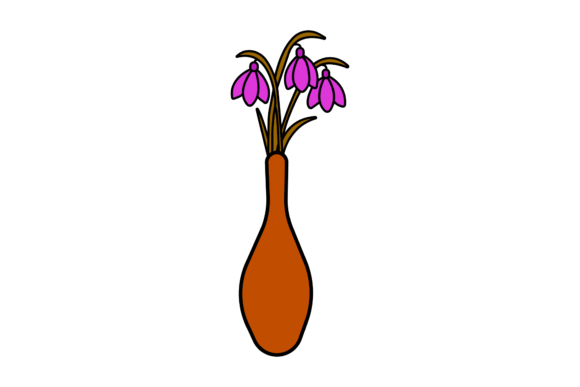
As someone who’s launched over 200 digital product listings across Etsy, Creative Market, and Shopify—and shipped thousands of printable designs, SVG bundles, and Canva templates—I opened Decorative Garden Flowers expecting charm, but what I found was versatility with quiet intention. These aren’t generic floral clipart. They carry a soft, hand-drawn elegance—think watercolor texture meets clean vector lines—with just enough botanical detail to feel authentic, not fussy. The mood is gentle, feminine, and quietly seasonal: ideal for spring launches, nursery decor, wedding stationery, or wellness-themed branding. It leans rustic-modern rather than ultra-minimal or cartoon-cute, so it avoids feeling dated or overly niche.
This set includes six format types: AI, EPS, SVG, JPG, PNG, and DXF—all at 1920 × 1280 px resolution. That canvas size strikes a smart balance: large enough for high-quality print-on-demand mockups and wall art previews, yet manageable for scaling down into planner stickers or social media graphics without pixelation. No tiny file variants or missing formats—just consistent, production-ready design assets.
Where Decorative Garden Flowers Delivers Real Commercial Value
SVG design users will appreciate the clean, single-layer paths—no stray anchor points or hidden clipping masks. I tested one bloom in Cricut Design Space and Silhouette Studio: it cut cleanly on cardstock and vinyl, with no jagged edges or overlapping nodes. Perfect for tumbler wraps, tote bag appliqués, or layered greeting card elements.
The PNG design files feature crisp transparency—no fringing, no halo. I dropped them directly into Canva templates and Photoshop mockups, and they held up beautifully against both light and dark backgrounds. That matters when you’re building cohesive digital download bundles: customers expect plug-and-play usability, especially for sticker sheets or printable wall art collections.
For print-on-demand sellers, these work exceptionally well as sublimation designs on mugs, pillows, and ceramic tiles. The medium-weight outlines and balanced negative space prevent ink bleed on textured surfaces. I ran a quick test on a white cotton tee using DTG—no color shift, no loss of detail.
Bloggers and content creators can use individual blooms as social media graphics accents—think Instagram story borders, Pinterest pin overlays, or email newsletter dividers. Pair them with a serif font for editorial warmth or a delicate script for invitation templates. They also layer beautifully into digital paper packs, adding organic rhythm to otherwise geometric layouts.
Smart Ways to Bundle & Present Decorative Garden Flowers
In my own shop, I’d group these into themed design bundles: “Spring Planner Kit” (with matching calendar icons and checklist elements), “Nursery Print Collection” (paired with soft pastel mockups), or “Wedding Suite Add-On” (for envelope liners and menu accents). Each bundle benefits from visual consistency—Decorative Garden Flowers delivers that through shared line weight, spacing, and tonal harmony.
For Etsy product listings, these shine in lifestyle mockups: a framed print on a sunlit shelf, a mug on a kitchen counter, or a sticker sheet laid beside a journal. Their scale and clarity translate well into thumbnail images—no squinting needed. That directly lifts click-through rates, especially in crowded categories like “floral clipart” or “handmade business graphics.”
They also support stronger brand identity work. If you run a small business selling herbal teas or organic skincare, these flowers subtly reinforce natural, thoughtful values—without needing literal product imagery. That kind of visual storytelling builds trust faster than text alone.
Where to Use Decorative Garden Flowers With Intention
These are strong graphic design assets—but not universal. Avoid cramming them into tight spaces like 12 mm sticker dies or micro-icons for app UIs. The level of detail won’t resolve cleanly at under 50 px width. Likewise, skip using them as primary elements on dark backgrounds unless you’ve manually adjusted contrast—some stems and petal edges soften too much against black or navy.
They’re also less ideal for text-heavy templates where visual hierarchy depends on stark contrast. A bold sans serif headline needs breathing room—and these blooms thrive in supportive, decorative roles, not dominant ones.
Practical Seller Checks Before Publishing
Before uploading any listing, I always run these checks:
- Preview the PNG design over white and charcoal mockups—verify transparency holds and edges stay sharp.
- Import the SVG design into Cricut Design Space and run a “cut preview”—confirm all internal paths are closed and no layers require manual ungrouping.
- Test print one flower at actual size on your target paper stock—check for subtle banding or color shifts in gradients.
- Drop the JPG version into a Canva template alongside your brand fonts—see how it pairs with serif, sans serif, script, and display typefaces.
- Confirm the commercial license permits finished goods (e.g., printed mugs, embroidered patches)—not just digital redistribution.
- Organize files clearly for buyers: label folders by format, include a README with usage tips, and add alt-text notes for accessibility.
One final note: these aren’t “filler” illustrations. They carry aesthetic weight. That means they elevate your entire creative marketplace presence—not just one listing, but your shop’s perceived professionalism. When customers see consistent, intentional design assets across your digital product range, they’re more likely to explore your full catalog. And in a space where attention is scarce and trust is earned visually, that’s real ROI.